HIGHLIGHTS

THINGS TO DO
Wandering in Asia & Beyond LLC
wanderinginasiatravel@gmail.com
+1 4708859579
https://www.facebook.com/wanderinginasia
https://www.instagram.com/wanderinginasiatravel/



© 2026 Wandering in Asia & Beyond. All Rights Reserved. | [Privacy Policy] | [Terms of Use] | [Unsubscribe]
CHINA
Ancient civilizations, imperial palaces, breathtaking mountains, vibrant megacities, world-famous cuisine, diverse ethnic cultures, and thousands of years of living history. Culture • History • Food • Nature • Mountains • Architecture • Photography China is perfect for travelers seeking extraordinary cultural heritage, spectacular landscapes, UNESCO World Heritage Sites, authentic local experiences, world-renowned cuisine, and one of the world's most fascinating destinations.OVERVIEW
China is one of the world's oldest civilizations and among its most diverse travel destinations. Stretching from the Himalayan peaks and vast deserts of the west to the tropi - cal south and bustling eastern coast, the country offers an incredible variety of landscapes, cultures, and experiences. Every region reveals a different side of China. Walk atop the Great Wall, explore the magnificent Forbidden City, cruise through the dramatic karst scenery of Guilin, discover the ancient Terracotta Army in Xi'an, wander through traditional water towns, experience vibrant modern cities like Shanghai and Shenzhen, or visit peaceful Buddhist temples hidden among mist-covered mountains. China is equally celebrated for its exceptional culinary traditions. From fiery Sichuan cuisine and delicate Cantonese dim sum to handmade noodles, Peking duck, dumplings, and regional specialties, every province offers its own unique flavors and centuries-old recipes. At Wandering in Asia & Beyond, China is more than a destination—it is a country whose remarkable history, breathtaking landscapes, vibrant traditions, and cultural diversity we are passionate about sharing.WHY VISIT CHINA?
Few countries offer such an extraordinary combination of ancient heritage and modern innovation. Visitors can explore imperial palaces, hike along the Great Wall, admire spectacular mountain scenery, discover ancient temples, experience traditional villages, cruise picturesque rivers, encounter giant pandas, sample one of the world's great - est culinary traditions, and witness the energy of some of the world's most dynamic cities. China offers an unforgettable blend of history, culture, nature, architecture, adventure, and hospitality, making it one of the most rewarding destinations for travelers seeking authentic and diverse experiences.
Located in East Asia, China borders fourteen countries and stretches from the Pacific Ocean to Central Asia.
Key
destinations
include
Beijing,
Shanghai,
Xi'an,
Chengdu,
Guilin,
Yangshuo,
Hangzhou,
Suzhou,
Hong
Kong,
Zhangjiajie,
Huangshan, Lhasa, Yunnan, the Great Wall, the Yellow Mountains, Jiuzhaigou National Park, and the Li River.
BEST TIME TO GO
March – May Spring brings comfortable temperatures, blooming flowers, and ideal conditions for sightseeing, hiking, and exploring much of the country. September – November Autumn offers pleasant weather, colorful landscapes, and excellent visibility, making it one of the best seasons to visit China. June – August Summer is perfect for mountain regions and northern China but can be hot and humid in many cities. This is also a popular domestic travel season. December – February Winter offers fewer crowds, beautiful snowy scenery in northern China, excellent opportunities for winter festivals, and comfortable travel in many southern regions.HISTORY & HERITAGE
China's civilization stretches back more than five thousand years, making it one of the oldest continuous civilizations in the world. Successive dynasties—including the Qin, Han, Tang, Song, Ming, and Qing—shaped the country's remarkable cultural, politi - cal, and architectural legacy. Their achievements can still be admired through magnificent imperial palaces, ancient cities, temples, pagodas, canals, and engineering masterpieces such as the Great Wall and the Grand Canal. China also served as the birthplace of many important inventions, philosophies, and artistic traditions that have profoundly influenced world history. Today, the country carefully preserves its extraordinary heritage while embracing rapid moderniza - tion, offering visitors an exceptional journey through both ancient and contemporary China.CULTURE, TRADITIONS & RELIGION
China's culture reflects thousands of years of history and the traditions of its many ethnic groups. • Visitors will encounter: • magnificent imperial architecture • ancient temples and monasteries • traditional tea culture • colorful festivals and celebrations • calligraphy and classical Chinese arts • vibrant local markets • exceptional regional cuisines • beautiful gardens and water towns • traditional crafts including porcelain, silk, jade carving, paper cutting, lacquerware, and embroidery Confucianism, Buddhism, and Taoism have profoundly shaped Chinese culture for centuries, while local customs and regional traditions continue to play an important role in everyday life across the country.PRACTICAL ADVICE
• Carry cash as well as digital payment options, although mobile payments are widely used throughout China. • Download a reliable translation app before your trip, as English is less commonly spoken outside major tourist areas. • Comfortable walking shoes are essential for exploring historic sites and mountain landscapes. • High-speed rail is one of the fastest and most convenient ways to travel between major cities. • Respect local customs when visiting temples and religious sites. • Try regional specialties—every province has its own unique culinary traditions. • Allow sufficient time to explore China's vast distances and remarkable regional diversity.RESPONSIBLE TOURISM
We believe travel should create meaningful benefits for both visitors and local communities. Our China journeys prioritize: • locally owned boutique hotels and guesthouses where possible • family-run restaurants • licensed local guides • traditional artisans and cultural workshops • authentic cultural experiences • environmentally responsible travel • support for heritage conservation and local communities Whenever possible, we work with local businesses that help preserve China's remarkable cultural heritage while supporting sustainable livelihoods. Through responsible travel, visitors experience China more deeply while contributing to the protection of its traditions, communities, and extraordinary landscapes.WHY US
Meet Your Expert
Our China journeys go beyond the country's iconic landmarks, combining world-famous attractions with authentic local experiences and a deeper understanding of China's remarkable history, diverse cultures, and enduring traditions. Drawing on years of travel throughout China and our expertise across Asia, we design carefully crafted itineraries that balance imperial cities, breathtaking natural landscapes, hidden cultural gems, outstanding cuisine, and meaningful encounters with local communities. Whether walking along the Great Wall at sunrise, exploring the imperial halls of the Forbidden City, meeting giant pandas in Chengdu, cruising the Li River, wandering through ancient water towns, hiking among the spectacular peaks of Zhangjiajie, or sharing traditional tea with local hosts, our goal is not simply to show you China—but to help you truly experience one of the world's greatest civilizations. Our goal is not simply to show China, but to help visitors truly experience the remarkable history, culture, diversity, hospitality, and beauty that make it one of the world's most unforgettable destinations.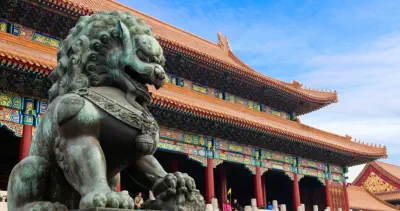
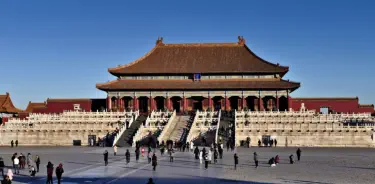
Beijing
China's historic capital, home to the Forbidden City, the Temple of Heaven, the Summer Palace, vibrant hutongs, and several of the most famous sections of the Great Wall.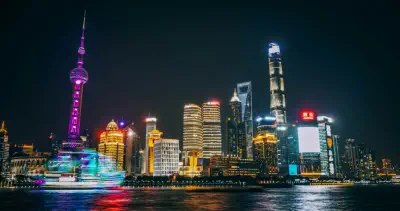
Shanghai
A dazzling global metropolis where futuristic skyscrapers, colonial architecture, world-class dining, luxury shopping, and vibrant nightlife create one of Asia's most exciting cities.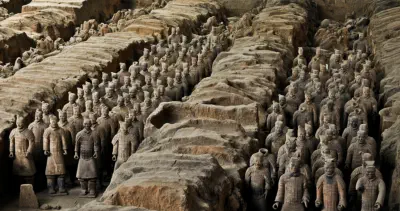
Xi›an
One of China's ancient capitals, famous for the Terracotta Army, impressive city walls, vibrant Muslim Quarter, and its important role as the eastern gateway of the Silk Road.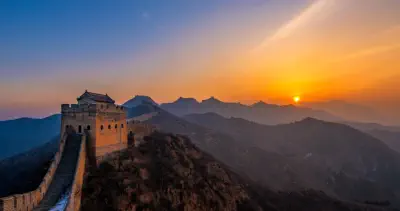
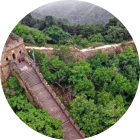
The Great Wall
One of the world's greatest engineering achievements, stretching across mountains and valleys while offering spectacular scenery and unforgettable hiking opportunities.
Guilin &Yangshuo
Renowned for breathtaking karst mountains, peaceful rivers, traditional villages, cycling routes, bamboo rafting, and some of China's most iconic landscapes.
Chengdu
The home of giant pandas and Sichuan cuisine, offering beautiful parks, ancient temples, traditional tea houses, and a relaxed atmosphere.
Zhangjiajie National Forest Park
Famous for its dramatic sandstone pillars, glass bridges, mist-covered peaks, and landscapes that inspired the floating mountains in Avatar .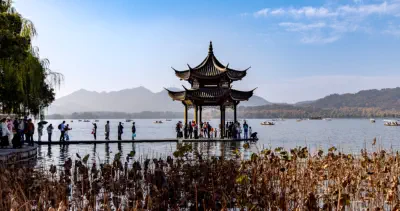
Hangzhou
Sample text. Double click to start editing the text or select the text tool. Et dolore aute elit ex incididunt. Ullamco in veniam. Quis occaecat deserunt, sit amet minim inci - didunt tempor sit, sunt nisi veniam nulla magna.
Hong Kong
A dynamic world city where iconic skyscrapers, Victoria Harbour, bustling street markets, Michelin-starred dining, scenic hiking trails, and a unique blend of Eastern and Western cultures create one of Asia's most vibrant destinations.Walk the Great Wall
Explore one of humanity's greatest architectural achievements while enjoy - ing spectacular mountain views.Discover Omperial
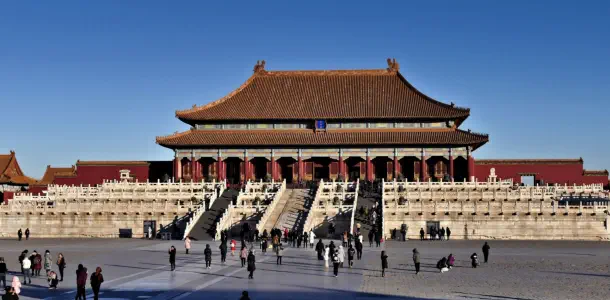
China
Visit the Forbidden City, the Summer Palace, ancient temples, and historic capi - tals that shaped Chinese civilization.Experience Chinese
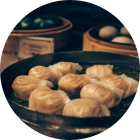
Cuisine
Sample Peking duck, dim sum, dumplings, hot pot, handmade noodles, Sichuan specialties, regional street food, and countless local delicacies.
Cruise the Li River
Enjoy
one
of
China's
most
beautiful
river
journeys
through
dramatic
limestone
peaks
and
picturesque
countryside.
Visit Giant Pandas
Observe China's beloved national treasure at renowned panda conserva - tion centers in Chengdu.Explore Ancient
Water Towns
Wander through charming canals, stone bridges, tradi - tional houses, and peaceful streets in historic towns such as Zhouzhuang and Wuzhen.Hike Spectacular
Mountains
Discover the breathtaking scenery of Huangshan, Zhangjiajie, Emei Shan, and numerous other mountain landscapes sacred to Chinese culture.Experience
Traditional Culture
Watch Chinese opera, par - ticipate in tea ceremonies, practice tai chi in public parks, visit Buddhist tem - ples, and celebrate colorful festivals throughout the year







HIGHLIGHTS

THINGS TO DO
© 2026 Wandering in Asia & Beyond. All Rights Reserved.
| [Privacy Policy] | [Terms of Use] | [Unsubscribe]


Wandering in Asia & Beyond LLC
wanderinginasiatravel@gmail.com
+1 4708859579
https://www.facebook.com/wanderinginasi
a
https://www.instagram.com/wanderinginas
iatravel

CHINA
Ancient civilizations, imperial palaces, breathtaking mountains, vibrant megacities, world-famous cuisine, di - verse ethnic cultures, and thousands of years of living history. Culture • History • Food • Nature • Mountains • Architecture • Photography China is perfect for travelers seeking extraordinary cultural heritage, spec - tacular landscapes, UNESCO World Heritage Sites, authentic local experi - ences, world-renowned cuisine, and one of the world's most fascinating destinations.OVERVIEW
China is one of the world's oldest civi - lizations and among its most diverse travel destinations. Stretching from the Himalayan peaks and vast deserts of the west to the tropical south and bustling eastern coast, the country of - fers an incredible variety of landscapes, cultures, and experiences. Every region reveals a different side of China. Walk atop the Great Wall, explore the magnificent Forbidden City, cruise through the dramatic karst scenery of Guilin, discover the ancient Terracotta Army in Xi'an, wander through tradi - tional water towns, experience vibrant modern cities like Shanghai and Shenzhen, or visit peaceful Buddhist temples hidden among mist-covered mountains. China is equally celebrated for its ex - ceptional culinary traditions. From fiery Sichuan cuisine and delicate Cantonese dim sum to handmade noodles, Peking duck, dumplings, and regional specialties, every province of - fers its own unique flavors and cen - turies-old recipes. At Wandering in Asia & Beyond, China is more than a destination—it is a country whose remarkable history, breathtaking landscapes, vibrant traditions, and cul - tural diversity we are passionate about sharing.WHY VISIT CHINA?
Few countries offer such an extraordi - nary combination of ancient heritage and modern innovation. Visitors can explore imperial palaces, hike along the Great Wall, admire spec - tacular mountain scenery, discover an - cient temples, experience traditional villages, cruise picturesque rivers, en - counter giant pandas, sample one of the world's greatest culinary traditions, and witness the energy of some of the world's most dynamic cities. China offers an unforgettable blend of history, culture, nature, architecture, adventure, and hospitality, making it one of the most rewarding destinations for travelers seeking authentic and di - verse experiences.
Located
in
East
Asia,
China
borders
fourteen
countries
and
stretches
from
the Pacific Ocean to Central Asia.
Key
destinations
include
Beijing,
Shanghai,
Xi'an,
Chengdu,
Guilin,
Yangshuo,
Hangzhou,
Suzhou,
Hong
Kong,
Zhangjiajie,
Huangshan,
Lhasa,
Yunnan,
the
Great
Wall,
the
Yellow
Mountains,
Jiuzhaigou
National
Park,
and the Li River.
BEST TIME TO GO
March – May Spring brings comfortable temperatures, blooming flowers, and ideal conditions for sightseeing, hiking, and exploring much of the country. September – November Autumn offers pleasant weather, colorful landscapes, and excellent visibility, making it one of the best seasons to visit China. June – August Summer is perfect for mountain regions and northern China but can be hot and humid in many cities. This is also a popular domestic travel season. December – February Winter offers fewer crowds, beautiful snowy scenery in northern China, excellent opportunities for winter festivals, and comfortable travel in many southern regions.HISTORY & HERITAGE
China's civilization stretches back more than five thousand years, making it one of the oldest continuous civilizations in the world. Successive dynasties—including the Qin, Han, Tang, Song, Ming, and Qing—shaped the country's remarkable cultural, political, and architectural legacy. Their achievements can still be admired through magnificent imperial palaces, ancient cities, temples, pago - das, canals, and engineering master - pieces such as the Great Wall and the Grand Canal. China also served as the birthplace of many important inventions, philoso - phies, and artistic traditions that have profoundly influenced world history. Today, the country carefully preserves its extraordinary heritage while em - bracing rapid modernization, offering visitors an exceptional journey through both ancient and contemporary China.CULTURE, TRADITIONS &
RELIGION
China's culture reflects thousands of years of history and the traditions of its many ethnic groups. • Visitors will encounter: • magnificent imperial architecture • ancient temples and monasteries • traditional tea culture • colorful festivals and celebrations • calligraphy and classical Chinese arts • vibrant local markets • exceptional regional cuisines • beautiful gardens and water towns • traditional crafts including porcelain, silk, jade carving, paper cutting, lacquerware, and embroidery Confucianism, Buddhism, and Taoism have profoundly shaped Chinese culture for centuries, while local customs and regional traditions continue to play an important role in everyday life across the country.PRACTICAL ADVICE
• Carry cash as well as digital payment options, although mobile payments are widely used throughout China. • Download a reliable translation app before your trip, as English is less commonly spoken outside major tourist areas. • Comfortable walking shoes are essential for exploring historic sites and mountain landscapes. • High-speed rail is one of the fastest and most convenient ways to travel between major cities. • Respect local customs when visiting temples and religious sites. • Try regional specialties—every province has its own unique culinary traditions. • Allow sufficient time to explore China's vast distances and remarkable regional diversity.RESPONSIBLE TOURISM
We believe travel should create meaningful benefits for both visitors and local communities. Our China journeys prioritize: • locally owned boutique hotels and guesthouses where possible • family-run restaurants • licensed local guides • traditional artisans and cultural workshops • authentic cultural experiences • environmentally responsible travel • support for heritage conservation and local communities Whenever possible, we work with local businesses that help preserve China's remarkable cultural heritage while supporting sustainable livelihoods. Through responsible travel, visitors experience China more deeply while contributing to the protection of its traditions, communities, and extraordinary landscapes.WHY US
Meet Your Expert
Our China journeys go beyond the country's iconic landmarks, combining world-famous attractions with authentic local experiences and a deeper understanding of China's remarkable history, diverse cultures, and enduring traditions. Drawing on years of travel throughout China and our expertise across Asia, we design carefully crafted itineraries that balance imperial cities, breathtaking natural landscapes, hidden cultural gems, outstanding cuisine, and meaningful encounters with local communities. Whether walking along the Great Wall at sunrise, exploring the imperial halls of the Forbidden City, meeting giant pandas in Chengdu, cruising the Li River, wandering through ancient water towns, hiking among the spectacular peaks of Zhangjiajie, or sharing traditional tea with local hosts, our goal is not simply to show you China—but to help you truly experience one of the world's greatest civilizations. Our goal is not simply to show China, but to help visitors truly experience the remarkable history, culture, diversity, hospitality, and beauty that make it one of the world's most unforgettable destinations.
Beijing
China's historic capital, home to the Forbidden City, the Temple of Heaven, the Summer Palace, vi - brant hutongs, and several of the most famous sections of the Great Wall.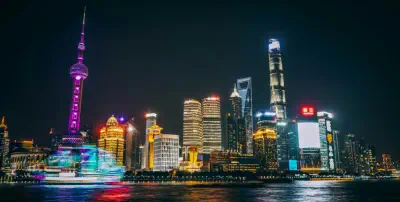
Shanghai
A dazzling global metropolis where fu - turistic skyscrapers, colonial architec - ture, world-class dining, luxury shopping, and vibrant nightlife create one of Asia's most exciting cities.
Xi›an
One of China's ancient capitals, fa - mous for the Terracotta Army, im - pressive city walls, vibrant Muslim Quarter, and its important role as the eastern gateway of the Silk Road.
The Great Wall
One of the world's greatest engi - neering achievements, stretching across mountains and valleys while offering spectacular scenery and unforgettable hiking opportunities.
Guilin &Yangshuo
Renowned for breathtaking karst mountains, peaceful rivers, tradi - tional villages, cycling routes, bamboo rafting, and some of China's most iconic landscapes.
Chengdu
The home of giant pandas and Sichuan cuisine, offering beautiful parks, ancient temples, traditional tea houses, and a relaxed atmosphere.
Zhangjiajie National
Forest Park
Famous for its dramatic sandstone pillars, glass bridges, mist-covered peaks, and landscapes that in - spired the floating mountains in Avatar .
Hangzhou
Sample text. Double click to start editing the text or select the text tool. Et dolore aute elit ex incididunt. Ullamco in veniam. Quis occaecat deserunt, sit amet minim incididunt tempor sit, sunt nisi veniam nulla magna.
Hong Kong
A dynamic world city where iconic skyscrapers, Victoria Harbour, bustling street markets, Michelin- starred dining, scenic hiking trails, and a unique blend of Eastern and Western cultures create one of Asia's most vibrant destinations.Walk the Great Wall
Explore one of humanity's greatest architectural achievements while enjoy - ing spectacular mountain views.Discover Omperial
China
Visit the Forbidden City, the Summer Palace, ancient temples, and historic capi - tals that shaped Chinese civilization.Experience Chinese
Cuisine
Sample Peking duck, dim sum, dumplings, hot pot, handmade noodles, Sichuan specialties, regional street food, and countless local delicacies.
Cruise the Li River
Enjoy
one
of
China's
most
beautiful
river
journeys
through
dramatic
limestone
peaks
and
picturesque
countryside.
Visit Giant Pandas
Observe China's beloved national treasure at renowned panda conserva - tion centers in Chengdu.Explore Ancient
Water Towns
Wander through charming canals, stone bridges, tradi - tional houses, and peaceful streets in historic towns such as Zhouzhuang and Wuzhen.Hike Spectacular
Mountains
Discover the breathtaking scenery of Huangshan, Zhangjiajie, Emei Shan, and numerous other mountain landscapes sacred to Chinese culture.Experience
Traditional Culture
Watch Chinese opera, par - ticipate in tea ceremonies, practice tai chi in public parks, visit Buddhist tem - ples, and celebrate colorful festivals throughout the year


INFOLINE: 1-470-885-9579