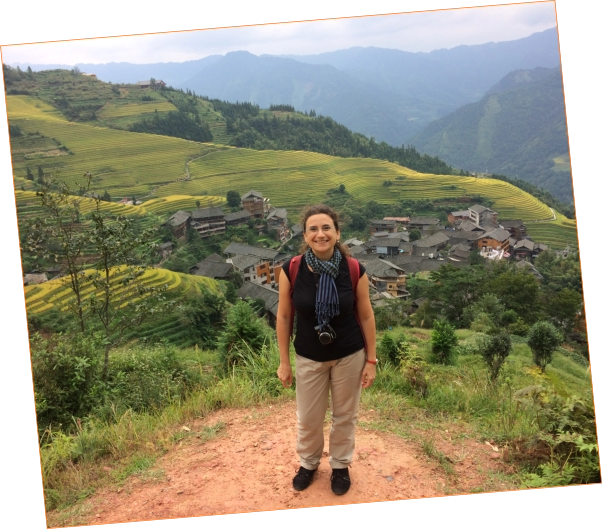
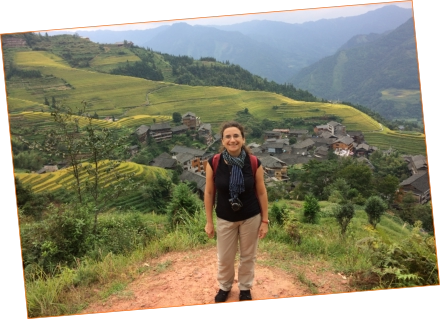
Meet Your Expert
Our
Morocco
journeys
go
beyond
the
country's
fa
-
mous
highlights,
combining
iconic
destinations
with
authentic
local
experiences
and
a
deeper
un
-
derstanding
of
its
rich
history,
diverse
cultures,
and enduring traditions.
Drawing
on
years
of
travel
throughout
Morocco
and
our
expertise
in
the
region,
we
design
care
-
fully
crafted
itineraries
that
balance
vibrant
cities,
hidden
villages,
spectacular
landscapes,
out
-
standing
cuisine,
and
meaningful
cultural
encounters.
Whether
watching
the
sunrise
over
the
Sahara
dunes,
wandering
through
the
ancient
medina
of
Fes,
exploring
the
colorful
souks
of
Marrakech,
hik
-
ing
in
the
Atlas
Mountains,
sharing
mint
tea
with
local
families,
or
discovering
the
Atlantic
coast,
our
goal
is
not
simply
to
show
you
Morocco—but
to
help
you
truly
experience
one
of
North
Africa's
most captivating countries.
Our
goal
is
not
simply
to
show
Morocco,
but
to
help
visitors
truly
experience
the
remarkable
his
-
tory,
culture,
hospitality,
and
beauty
that
make
it
one
of
the
world's
most
unforgettable
destinations.
OVERVIEW
Morocco is one of North Africa's most fascinating travel destinations, where Arab, Amazigh (Berber), African, and European influences have blended for centuries to create a culture unlike any other. From the bustling imperial cities and labyrinthine medinas to the golden dunes of the Sahara and the dramatic peaks of the Atlas Mountains, Morocco offers an extraordinary diversity of experiences. Every region reveals a different side of the country. Wander through colorful souks filled with spices and handcrafted goods, admire magnificent palaces and centuries-old mosques, explore ancient kasbahs, stroll along the Atlantic coast, or spend unforgettable nights beneath the stars in the Sahara Desert. Morocco is also renowned for its exceptional cuisine, where fragrant spices, fresh local ingredients, and centuries-old recipes create one of the world's most celebrated culinary traditions. At Wandering in Asia & Beyond, Morocco is more than a destination—it is a country whose rich heritage, remarkable diver - sity, and genuine hospitality we are passionate about sharing.
Wandering in Asia & Beyond LLC
wanderinginasiatravel@gmail.com
+1 4708859579
https://www.facebook.com/wanderinginasia
https://www.instagram.com/wanderinginasiatravel/



MOROCCO
Ancient medinas, majestic mountains, endless deserts, vibrant souks, exquisite cuisine, and centuries of living traditions. Culture • History • Food • Nature • Desert • Architecture • Photography Morocco is perfect for travelers seeking vibrant cultural experiences, spectacular landscapes, UNESCO World Heritage Sites, authentic local traditions, world-class cuisine, and one of North Africa's most captivating destinations.WHY VISIT MOROCCO?
Few destinations combine such extraordinary cultural richness with breathtaking natural beauty. Visitors can explore medieval medinas, discover magnificent Islamic architecture, experience vibrant local markets, hike through spectacular mountain landscapes, ride camels across the Sahara Desert, visit ancient kasbahs, relax in traditional riads and hammams, and enjoy one of the world's most flavorful cuisines. Morocco offers a remarkable blend of history, culture, adventure, hospitality, and unforgettable scenery, making it one of the most rewarding destinations for travelers seeking authentic experiences.
Located
in
the
northwest
corner
of
Africa,
Morocco
is
bordered
by
the
Atlantic
Ocean,
the
Mediterranean
Sea,
Algeria,
and
Western Sahara.
Key
destinations
include
Marrakech,
Fes,
Casablanca,
Rabat,
Chefchaouen,
Essaouira,
Meknes,
Volubilis,
At
Benhaddou,
the
Sahara Desert, Merzouga, the Atlas Mountains, Ouarzazate, and Tangier.

HIGHLIGHTS

THINGS TO DO
Explore Ancient
Medinas
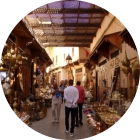
Lose yourself in the narrow streets of Morocco's historic cities, where artisans con- tinue centuries-old traditions.Visit Traditional
Souks
Browse colorful markets filled with spices, textiles, ceramics, leather goods, jewelry, and handmade crafts.Experience the
Sahara Desert
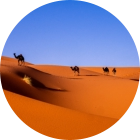
Ride a camel across the dunes, watch the sunset over the desert, and spend the night in a traditional desert camp.Discover Moroccan
Cuisine
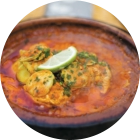
Enjoy tagine, couscous, pastilla, fresh seafood, mint tea, Moroccan pastries, and regional specialties pre- pared with aromatic spices.Relax in a
Traditional Hamma
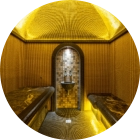
Experience one of Morocco's oldest wellness traditions with a visit to a historic hammam, where steam baths, black soap treat- ments, and traditional mas- sages provide deep relaxation.Visit Imperial Cities
Discover the rich history of Marrakech, Fes, Meknes, and Rabat, each offering mag- nificent architecture and unique cultural traditions.Explore the Atlas
Mountains
Hike through breathtaking valleys, visit traditional Amazigh villages, and enjoy spectacular mountain scenery.Enjoy the Atlantic
Coast
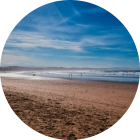
Relax on beautiful beaches, explore historic ports, try surfing, or enjoy freshly caught seafood overlooking the ocean.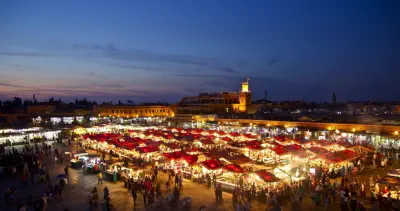
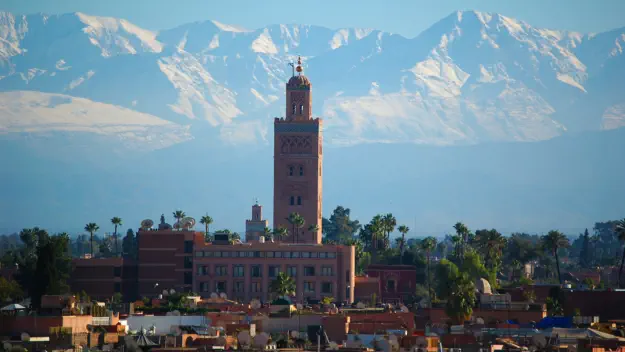
Marrakech
Morocco's vibrant cultural heart, famous for Jemaa el- Fnaa Square, colorful souks, beautiful palaces, lush gar - dens, traditional riads, and lively street performances.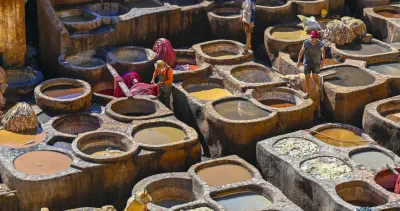
Fes
Home to one of the world's oldest universities and one of the best-preserved medieval medinas, offering an unfor - gettable journey into Morocco's rich history and craftsmanship.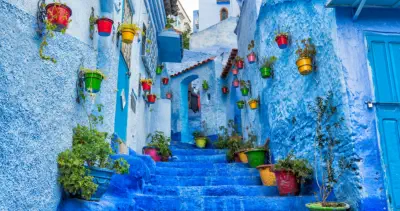
Chefchaouen
Known
as
the
Blue
City,
this
picturesque
mountain
town
enchants
visitors
with
its
blue-painted
streets,
peaceful
atmosphere, and spectacular mountain scenery.
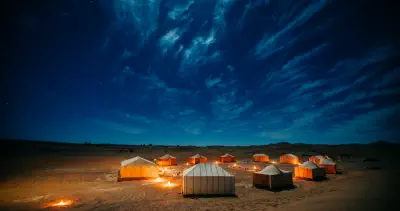
Sahara Desert
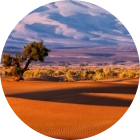
Experience the breathtaking beauty of endless golden dunes, camel trekking, luxury desert camps, unforgettable sunsets, and clear night skies filled with stars.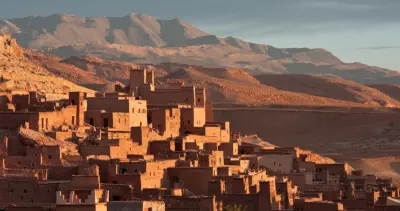
Ait Benhaddou
A magnificent UNESCO-listed fortified village that has served as the backdrop for numerous famous films and television productions.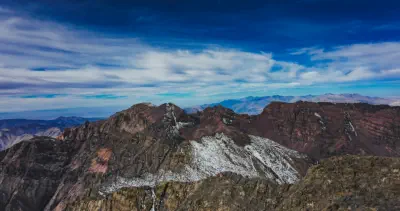
Atlas Mountains
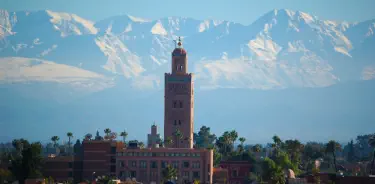
A paradise for hikers and nature lovers, featuring dra - matic landscapes, traditional Amazigh villages, scenic valleys, and snow-capped peaks.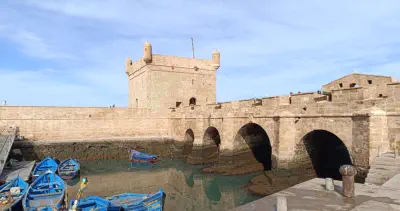
Essaouira
A charming Atlantic coastal town with historic ramparts, sandy beaches, fresh seafood, vibrant art galleries, and a relaxed atmosphere.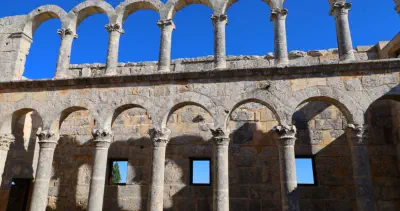
Volubilis
Morocco's finest Roman archaeological site, showcasing remarkably preserved mosaics, temples, triumphal arches, and impressive ruins.BEST TIME TO GO
March – May Spring brings pleasant temperatures, blooming landscapes, and ideal conditions for sightseeing, hiking, and exploring cities. September – November Autumn offers comfortable weather throughout most of the country and is one of the best times to visit Morocco. June – August Ideal for visiting the Atlantic coast and mountain regions, although inland cities and the Sahara can be extremely hot. December – February Perfect for exploring imperial cities with fewer crowds, enjoying cool desert weather, and even skiing in the High Atlas Mountains.HISTORY & HERITAGE
Morocco's history spans thousands of years and reflects the influence of Amazigh kingdoms, Phoenicians, Romans, Arab dy - nasties, and European powers. The arrival of Islam in the seventh century profoundly shaped Moroccan culture, architecture, and society, while powerful dynasties built magnificent cities that became centers of learning, trade, and art. Imperial cities such as Marrakech, Fes, Meknes, and Rabat preserve extraordinary architectural treasures, while Roman sites like Volubilis reveal an even older chapter of the country's past. Today, Morocco proudly preserves its rich cultural heritage while embracing modern development, offering visitors an ex - ceptional journey through history.CULTURE, TRADITIONS & RELIGION
Morocco's culture reflects centuries of Amazigh, Arab, African, Andalusian, and Mediterranean influences. Visitors will encounter: • Magnificent mosques and Islamic architecture • Colorful souks and bustling marketplaces • Traditional mint tea ceremonies • Warm Moroccan hospitality • Vibrant music and cultural festivals • Beautiful riads and courtyards • Exceptional handicrafts including carpets, leatherwork, ceramics, wood carving, and metalwork • One of the world's richest culinary traditions Islam is the country's predominant religion, and religious traditions continue to play an important role in everyday life while Morocco remains known for its openness and welcoming atmosphere.PRACTICAL ADVICE
• Dress modestly, particularly in rural areas and when visiting religious sites. • Carry cash for markets and small businesses. • Bargaining is a normal and enjoyable part of shopping in traditional souks. • Drink bottled or filtered water when appropriate. • Temperatures in the Sahara vary greatly between day and night—pack accordingly. • Learn a few basic Arabic or Amazigh greetings—locals greatly appreciate the effort. • Allow plenty of time for travel, especially when crossing mountain regions.RESPONSIBLE TOURISM
We believe travel should create meaningful benefits for both visitors and local communities. Our Morocco journeys prioritize: • Locally owned riads and boutique hotels • Family-run restaurants • Licensed local guides • Traditional artisans and cooperatives • Authentic cultural experiences • Environmentally responsible travel • Support for cultural and architectural preservation Whenever possible, we include opportunities to visit community projects, educational initiatives, and social enterprises that contribute directly to local livelihoods and cultural preservation. Through responsible travel, visitors not only discover Cambodia's treasures but also help ensure they remain protected for future generations.WHY US
© 2026 Wandering in Asia & Beyond. All Rights Reserved. | [Privacy Policy] | [Terms of Use] | [Unsubscribe]
Meet Your Expert
Our
Morocco
journeys
go
beyond
the
coun
-
try's
famous
highlights,
combining
iconic
destinations
with
authentic
local
experi
-
ences
and
a
deeper
understanding
of
its
rich
history,
diverse
cultures,
and
enduring
traditions.
Drawing
on
years
of
travel
throughout
Morocco
and
our
expertise
in
the
region,
we
design
carefully
crafted
itineraries
that
bal
-
ance
vibrant
cities,
hidden
villages,
spec
-
tacular
landscapes,
outstanding
cuisine,
and meaningful cultural encounters.
Whether
watching
the
sunrise
over
the
Sahara
dunes,
wandering
through
the
an
-
cient
medina
of
Fes,
exploring
the
colorful
souks
of
Marrakech,
hiking
in
the
Atlas
Mountains,
sharing
mint
tea
with
local
fam
-
ilies,
or
discovering
the
Atlantic
coast,
our
goal
is
not
simply
to
show
you
Morocco—but
to
help
you
truly
experience
one
of
North
Africa's
most
captivating
countries.
Our
goal
is
not
simply
to
show
Morocco,
but
to
help
visitors
truly
experience
the
remark
-
able
history,
culture,
hospitality,
and
beauty
that
make
it
one
of
the
world's
most
unfor
-
gettable destinations.
OVERVIEW
Morocco is one of North Africa's most fascinating travel destinations, where Arab, Amazigh (Berber), African, and European influences have blended for centuries to create a culture unlike any other. From the bustling imperial cities and labyrinthine medinas to the golden dunes of the Sahara and the dramatic peaks of the Atlas Mountains, Morocco offers an extraordinary diversity of experiences. Every region reveals a different side of the country. Wander through colorful souks filled with spices and hand - crafted goods, admire magnificent palaces and centuries-old mosques, explore ancient kasbahs, stroll along the Atlantic coast, or spend unforget - table nights beneath the stars in the Sahara Desert. Morocco is also renowned for its excep - tional cuisine, where fragrant spices, fresh local ingredients, and centuries- old recipes create one of the world's most celebrated culinary traditions. At Wandering in Asia & Beyond, Morocco is more than a destination—it is a country whose rich heritage, re - markable diversity, and genuine hospi - tality we are passionate about sharing.
© 2026 Wandering in Asia & Beyond. All Rights Reserved.
| [Privacy Policy] | [Terms of Use] | [Unsubscribe]


Wandering in Asia & Beyond LLC
wanderinginasiatravel@gmail.com
+1 4708859579
https://www.facebook.com/wanderinginasi
a
https://www.instagram.com/wanderinginas
iatravel

MOROCCO
Ancient medinas, majestic mountains, endless deserts, vibrant souks, exquisite cuisine, and centuries of living traditions. Culture • History • Food • Nature • Desert • Architecture • Photography Morocco is perfect for travelers seeking vibrant cultural experiences, spectacu - lar landscapes, UNESCO World Heritage Sites, authentic local traditions, world- class cuisine, and one of North Africa's most captivating destinations.WHY VISIT
MOROCCO?
Few destinations combine such extra - ordinary cultural richness with breath - taking natural beauty. Visitors can explore medieval medinas, discover magnificent Islamic architec - ture, experience vibrant local markets, hike through spectacular mountain landscapes, ride camels across the Sahara Desert, visit ancient kasbahs, relax in traditional riads and ham - mams, and enjoy one of the world's most flavorful cuisines. Morocco offers a remarkable blend of history, culture, adventure, hospitality, and unforgettable scenery, making it one of the most rewarding destinations for travelers seeking authentic experiences.
Located
in
the
northwest
corner
of
Africa,
Morocco
is
bordered
by
the
Atlantic
Ocean,
the
Mediterranean
Sea,
Algeria, and Western Sahara.
Key
destinations
include
Marrakech,
Fes,
Casablanca,
Rabat,
Chefchaouen,
Essaouira,
Meknes,
Volubilis,
At
Benhaddou,
the
Sahara
Desert,
Merzouga,
the
Atlas
Mountains,
Ouarzazate, and Tangier.

HIGHLIGHTS

THINGS TO DO
Explore Ancient
Medinas
Lose yourself in the narrow streets of Morocco's historic cities, where artisans con- tinue centuries-old traditions.Visit Traditional
Souks
Browse colorful markets filled with spices, textiles, ceramics, leather goods, jewelry, and handmade crafts.Experience the
Sahara Desert
Ride a camel across the dunes, watch the sunset over the desert, and spend the night in a traditional desert camp.Discover Moroccan
Cuisine
Enjoy tagine, couscous, pastilla, fresh seafood, mint tea, Moroccan pastries, and regional specialties pre- pared with aromatic spices.Relax in a
Traditional Hamma
Experience one of Morocco's oldest wellness traditions with a visit to a historic hammam, where steam baths, black soap treat- ments, and traditional mas- sages provide deep relaxation.Visit Imperial Cities
Discover the rich history of Marrakech, Fes, Meknes, and Rabat, each offering mag- nificent architecture and unique cultural traditions.Explore the Atlas
Mountains
Hike through breathtaking valleys, visit traditional Amazigh villages, and enjoy spectacular mountain scenery.Enjoy the Atlantic
Coast
Relax on beautiful beaches, explore historic ports, try surfing, or enjoy freshly caught seafood overlooking the ocean.
Marrakech
Morocco's vibrant cultural heart, fa - mous for Jemaa el-Fnaa Square, colorful souks, beautiful palaces, lush gardens, traditional riads, and lively street performances.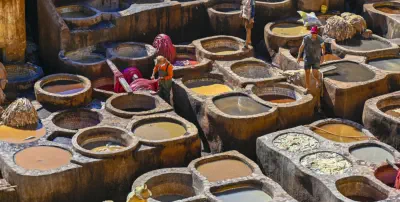
Fes
Home to one of the world's oldest universities and one of the best- preserved medieval medinas, offer - ing an unforgettable journey into Morocco's rich history and craftsmanship.
Chefchaouen
Known
as
the
Blue
City,
this
picturesque
mountain
town
enchants
visitors
with
its
blue-
painted
streets,
peaceful
atmosphere,
and
spectacular
mountain scenery.
Sahara Desert
Experience the breathtaking beauty of endless golden dunes, camel trekking, luxury desert camps, unforgettable sunsets, and clear night skies filled with stars.
Ait Benhaddou
A magnificent UNESCO-listed forti - fied village that has served as the backdrop for numerous famous films and television productions.
Atlas Mountains
A paradise for hikers and nature lovers, featuring dramatic land - scapes, traditional Amazigh vil - lages, scenic valleys, and snow- capped peaks.
Essaouira
A charming Atlantic coastal town with historic ramparts, sandy beaches, fresh seafood, vibrant art galleries, and a relaxed atmosphere.
Volubilis
Morocco's finest Roman archaeo - logical site, showcasing remarkably preserved mosaics, temples, tri - umphal arches, and impressive ruins.BEST TIME TO GO
March – May Spring brings pleasant temperatures, blooming landscapes, and ideal conditions for sightseeing, hiking, and exploring cities. September – November Autumn offers comfortable weather throughout most of the country and is one of the best times to visit Morocco. June – August Ideal for visiting the Atlantic coast and mountain regions, although inland cities and the Sahara can be extremely hot. December – February Perfect for exploring imperial cities with fewer crowds, enjoying cool desert weather, and even skiing in the High Atlas Mountains.HISTORY & HERITAGE
Morocco's history spans thousands of years and reflects the influence of Amazigh kingdoms, Phoenicians, Romans, Arab dynasties, and European powers. The arrival of Islam in the seventh cen - tury profoundly shaped Moroccan cul - ture, architecture, and society, while powerful dynasties built magnificent cities that became centers of learning, trade, and art. Imperial cities such as Marrakech, Fes, Meknes, and Rabat preserve extraordi - nary architectural treasures, while Roman sites like Volubilis reveal an even older chapter of the country's past. Today, Morocco proudly preserves its rich cultural heritage while embracing modern development, offering visitors an exceptional journey through history.CULTURE, TRADITIONS &
RELIGION
Morocco's culture reflects centuries of Amazigh, Arab, African, Andalusian, and Mediterranean influences. Visitors will encounter: • Magnificent mosques and Islamic architecture • Colorful souks and bustling marketplaces • Traditional mint tea ceremonies • Warm Moroccan hospitality • Vibrant music and cultural festivals • Beautiful riads and courtyards • Exceptional handicrafts including carpets, leatherwork, ceramics, wood carving, and metalwork • One of the world's richest culinary traditions Islam is the country's predominant reli - gion, and religious traditions continue to play an important role in everyday life while Morocco remains known for its openness and welcoming atmosphere.PRACTICAL ADVICE
• Dress modestly, particularly in rural areas and when visiting religious sites. • Carry cash for markets and small businesses. • Bargaining is a normal and enjoyable part of shopping in traditional souks. • Drink bottled or filtered water when appropriate. • Temperatures in the Sahara vary greatly between day and night—pack accordingly. • Learn a few basic Arabic or Amazigh greetings—locals greatly appreciate the effort. • Allow plenty of time for travel, especially when crossing mountain regions.RESPONSIBLE TOURISM
We believe travel should create mean - ingful benefits for both visitors and local communities. Our Morocco journeys prioritize: • Locally owned riads and boutique hotels • Family-run restaurants • Licensed local guides • Traditional artisans and cooperatives • Authentic cultural experiences • Environmentally responsible travel • Support for cultural and architectural preservation Whenever possible, we include oppor - tunities to visit community projects, ed - ucational initiatives, and social enterprises that contribute directly to local livelihoods and cultural preservation. Through responsible travel, visitors not only discover Cambodia's treasures but also help ensure they remain protected for future generations.WHY US
INFOLINE: 1-470-885-9579